Français
French first words and phrases for toddlers
Real French your child can hear today — and you can say back. 1,000+ illustrated words and 500+ everyday phrases, each one spoken by a woman and a man, both native French voices. Ages 0–5.
Free to start · Works offline · No ads
$9.99 once unlocks it all — no subscription.
Je t’aime.
“I love you.”
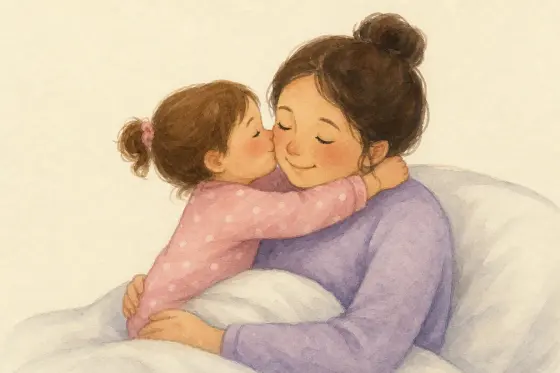
Hear it in French
Both clips are the app’s own audio. Tap one, then say it yourself — that second part is the one that counts.
The phrases library
Say these today.
Eight real cards from the free set, grouped by the moment they belong to. The French is exactly what the app shows; the English underneath is for you, not for the card. Tap a voice, then say it out loud to your child — that is the whole method.
Mealtime
-
Encore, s’il te plaît.
“More, please.”
-
J’ai fini.
“All done.”
Bedtime
-
Bonne nuit, dors bien.
“Good night, sleep tight.”
-
J’ai peur du noir.
“I'm afraid of the dark.”
Playtime
-
Où est-il passé ?
“Where did it go?”
-
Te voilà !
“There you are!”
Big Feelings
-
Je suis triste.
“I'm sad.”
-
Je suis en colère !
“I'm mad!”
All 500+ phrases, grouped by moment: the phrases library.
The words library
First words, in three stages.
Words come in three stages you choose for your child, so a fifteen-month-old is not handed grenade — pomegranate. Every word below is a real card; the ones with pictures are free forever. Tap a voice.
First Words 0–24 months
-
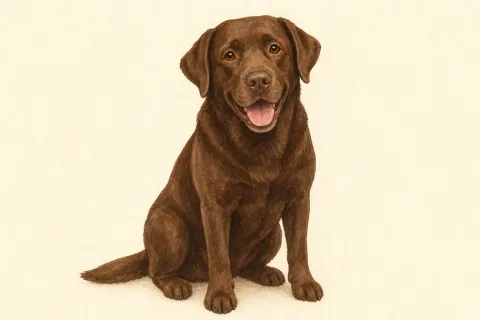
chien
dog
Animals
-

lait
milk
Food & Drink
-
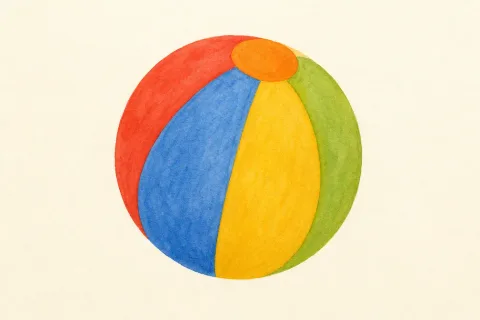
ballon
ball
Toys
-

cœur
heart
Shapes
Also in this stage, in the full library
poule
chicken
Animals
pain
bread
Food & Drink
goûter
snack
Food & Drink
pomme de terre
potato
Food & Drink
Growing Words 2–3 years
-
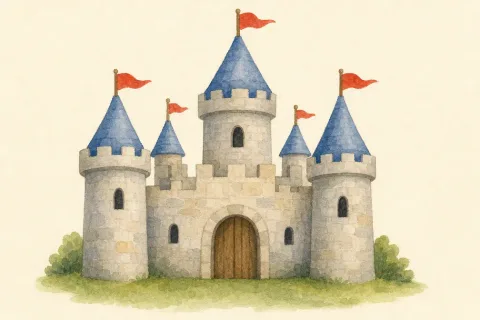
château
castle
Places
-
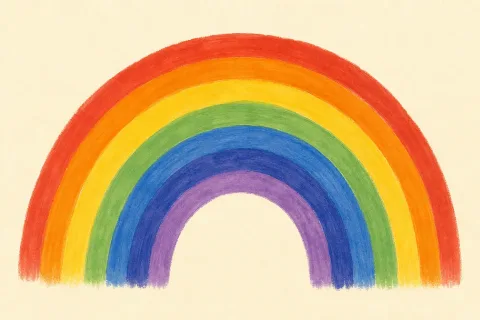
arc-en-ciel
rainbow
Nature & Weather
-
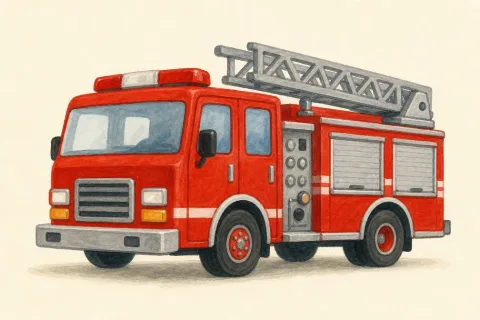
camion de pompiers
fire truck
Vehicles
-
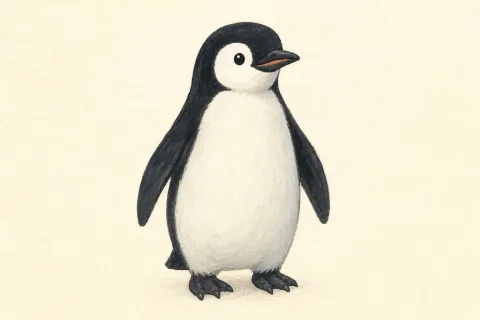
pingouin
penguin
Animals
Also in this stage, in the full library
glace
ice cream
Food & Drink
sucette
lollipop
Food & Drink
pieuvre
octopus
Animals
petit-déjeuner
breakfast
Food & Drink
Word Builder 3–5 years
-
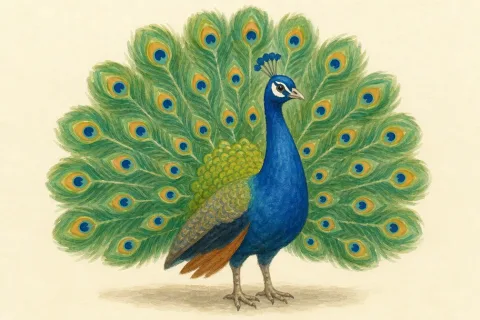
paon
peacock
Animals
-

volcan
volcano
Nature & Weather
-
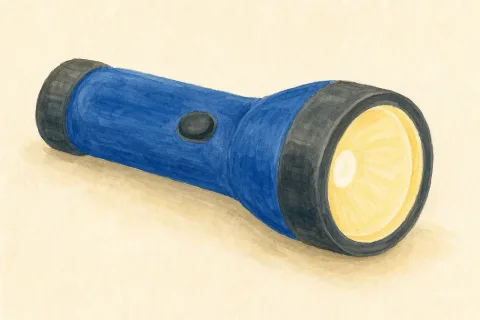
lampe de poche
flashlight
Home
-
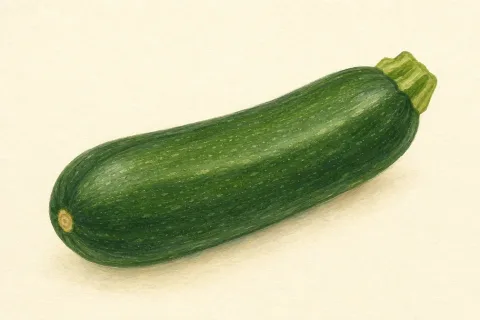
courgette
zucchini
Food & Drink
Also in this stage, in the full library
pivert
woodpecker
Animals
renne
reindeer
Animals
grenade
pomegranate
Food & Drink
chou frisé
kale
Food & Drink
Prefer paper? Printable French flashcards — 110 free cards to print at home.
All 1,000+ words, grouped by category: the words library.
The whole library, not a smaller edition
What’s inside for French.
- 1,000+ words in 16 categories — Animals, Food & Drink, Body, Home, Vehicles, Feelings, and ten more.
- Three age stages — First Words (0–24 months), Growing Words (2–3 years), Word Builder (3–5 years). You choose; the app never quietly moves your child on.
- 500+ phrases in 9 themes — I Want & I Need, Look at This!, How I Feel, Talk With Me, and five more.
- Two native French voices on every card — a woman’s and a man’s voice on every word and every phrase, all in the app, so nothing needs a signal.
- French comes with every other supported language — English, Spanish, Portuguese, German, Italian, Korean and Russian are in the same app, at the same one price. Switch language on the card itself, without losing your place.
- 75 words and 35 phrases free, forever — 25 words for each stage, all in French, with both voices and their pictures.
Why families open these cards
For the grandparents.
A lot of French in a lot of homes is really about one person: a grandmother in Lyon, a grand-père outside Montréal, an aunt who calls on Sundays. The video call comes, and the child has nothing to offer but a wave. Over time the calls get shorter.
Twenty words changes that call. A child who can offer chien and ballon, and one evening Je t’aime. — that child is not bilingual, and does not need to be. They have something to hand across, and the person on the other end has something to answer. That is what keeps a family language alive across a border: not fluency, but a reason to keep speaking.
It works in the other direction too. Show the grandparent the card. Let them say the word into the phone, in their French, and let your child hear a voice they love saying it. The app is the prompt; the family is the point.
What’s on the cards
Notes on the French itself.
- Two French voices, on every card. Every word and every phrase is spoken twice — in a woman’s native French voice and in a man’s — and both live in the app at no extra cost. A toddler who has tuned out one pitch will lean in at another, and whichever parent is doing bedtime, there is a voice on the card that sounds a little like them.
- Which French. The written French follows the French of France. Where usage splits, the word list takes the Metropolitan term: breakfast, lunch and dinner are petit-déjeuner, déjeuner and dîner rather than the Québec déjeuner, dîner and souper; ice cream is glace rather than crème glacée. There is no separate Canadian French library, and we would rather say so plainly than let you find out on card forty.
- Why the cards are bare. A word card shows chien, not le chien. That is deliberate: the picture already says which thing it is, and a French article is not a fixed part of the word — it changes with the sentence you drop it into. The phrases library is where the grammar shows up in one piece, contractions included. J’ai peur du noir. quietly contains de + le fused into du, and your child learns that as a sound long before anyone calls it a rule.
- Why spoken French, and not a phonetic spelling. French does not pronounce what it prints. Où est-il passé ? runs est straight into il so the two words arrive as one; Te voilà ! drops the l you can see on the page. No respelling in an English guide gets a parent there. A native voice does, in one tap.
- Homophones are the rest of the reason. French for small children is full of words that sound identical and mean nothing alike. lait is the milk in the cup and also, to the ear, laid — ugly. pain is bread and also pin, the tree. This is exactly where a picture earns its place: the illustration decides which word the sound meant, before your child has any grammar to decide it with.
- One picture, doing the work alone. Every illustration has to pass one test: on its own, with no caption and nothing off the card, it has to tell a tired parent which word it is. That is why poule and poulet can both be in a French library without confusing anyone — French separates the animal from the meat, and the picture separates them again.
Questions parents ask
French questions.
Is French included in the free version?
Yes. The free set is 75 words and 35 phrases, the same in every supported language, with both voices. No account, no trial clock, no ads. French is never the paid add-on; the one $9.99 purchase opens the rest of both libraries in every supported language at once.
We speak two languages at home. Can the app do both?
Yes. Language is set per child, and you can switch it right on the card, without losing your place — so the same picture can be lait, then milk. The app holds up to four children, each with their own language and their own progress.
My French is rusty. Will my accent confuse my child?
No. The recording carries the pronunciation; you carry the relationship, and children learn language from the person in the room. Play the clip, then say it yourself — an imperfect Bonne nuit, dors bien. from you is worth more than a perfect one from a speaker. If you want a model to copy before you say it, tap the same card twice: the woman first, then the man.
Everything else — teaching a language you don’t speak, screen time for a baby, what the $9.99 unlocks — is answered on the FAQ.
Simple Words, Special Moments
Start with one word.
75 words and 35 phrases are free, forever — in French, with both voices. One $9.99 purchase opens the rest of the 1,000+ words and 500+ phrases, in all eight languages at once. No subscription, nothing renews.
Same app, same card
More languages.
French sits alongside every other supported language in the same app, on the same card. If your family runs on two of them, both are already here.